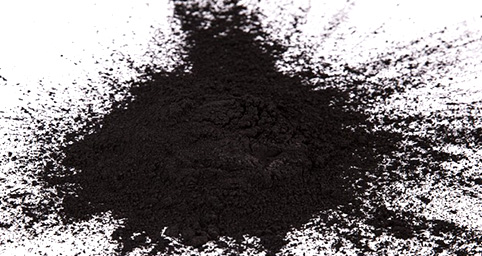
Our powder catalysts, widely used in petrochemical applications, feature adjustable Si/Al ratios for tailored reactivity and high thermal stability.
Key products include ZSM-5, ZSM-23, ZSM-48, SAPO-34, SAPO-11, Beta, SSZ-13, MCM-22, and MCM-41 zeolites,
designed to meet diverse catalytic needs.
High surface area, shape-selective micropores , adjustable acidity, and exceptional resistance to coking and thermal degradation
Main Applications: Ideal for fluid catalytic cracking, alkylation, isomerization, aromatization, and VOC removal.
We supply high-purity H-ZSM-5, NH4-ZSM-5, and metal-doped variants for both refinery and environmental remediation.
High-Performance Cu-SSZ-13 Zeolite Catalyst | CHA Structure for SCR DeNOx
Description:
Cu-SSZ-13 (Copper-exchanged SSZ-13) is the industry standard for Selective Catalytic Reduction (SCR) of NOx in diesel engine exhaust. With its small-pore CHA topology, it offers superior hydrothermal stability and excellent resistance to hydrocarbon poisoning compared to other zeolites.
Applications: Automotive SCR systems (Diesel Particulate Filter integration), industrial flue gas treatment.
Forms Available: Powder, pellet, or upon request.
Title: Beta Zeolite Catalyst (BZE) | Large Pore BEA Structure | High Acidity for Alkylation Description:
Our Beta Zeolite (BEA structure) features a large-pore, three-dimensional channel system (opening ~7 Å) combined with extremely high surface area (>500 m²/g) and strong acidity
Specifications:
SiO₂/Al₂O₃ Ratios: 25:1, 30:1, 150:1, and custom.
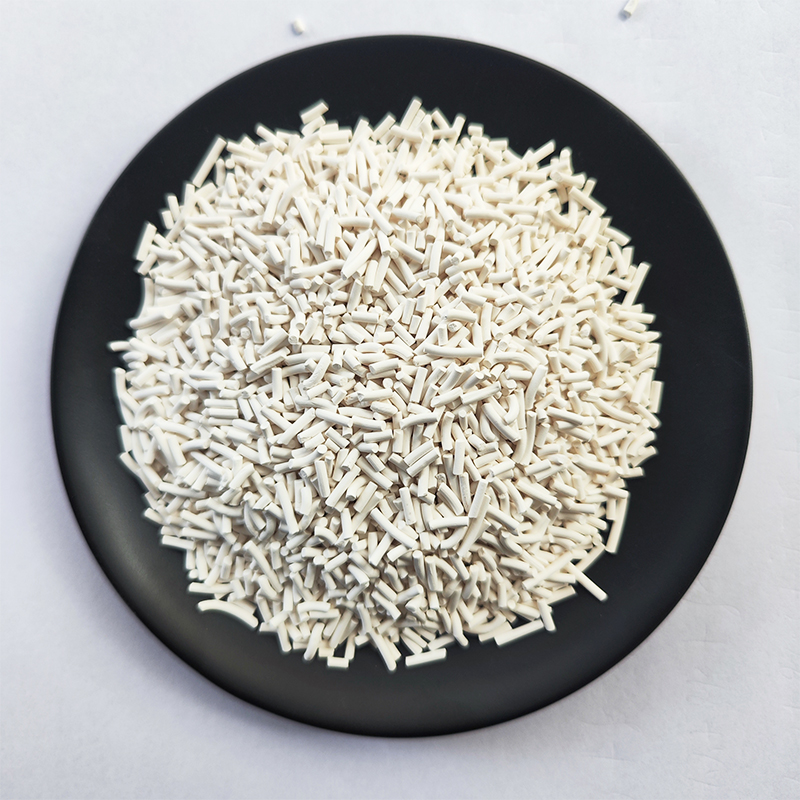
Morphology: White powder; available in Hydrogen (H-Beta), Ammonium, or Sodium forms . Key Applications: Friedel-Crafts alkylation, acylation, wax isomerization, and VOC adsorption. Benefit: Provides shape selectivity for discriminating molecules by size, ideal for fine chemical synthesis.
MCM-22 Zeolite Catalyst | Unique MWW Structure for MTO & Alkylation.
MCM-22 possesses a unique MWW topology, featuring two independent pore systems that offer exceptional catalytic performance in the Methanol-to-Olefins (MTO) process and benzene . Its distinctive structure enhances selectivity toward light olefins and extends catalyst lifetime.
Core Strengths: High selectivity in shape-specific catalysis, excellent stability in acid-catalyzed reactions.
Applications: Methanol to Olefins (MTO), alkylation of aromatics, petrochemical refining.
ZSM-23 Zeolite (MTT Structure) | Medium Pore for Hydroisomerization.
Moderate acidity combined with 1D channels suppresses side reactions.
Primary Use: As a support for bifunctional catalysts (e.g., Pt/ZSM-23) in the hydroisomerization of long-chain n-paraffins to produce high-quality fuels and lubricants.
Morphology: Available as nanocrystalline powder (200–300 nm needles).
ZSM-48 Zeolite | MRE Structure | High Isomer Yield for Dewaxing
ZSM-48 is a high-silica zeolite with a one-dimensional, 10-membered ring pore system. It is specifically engineered for processes requiring high isomer yields with minimal cracking.
Applications: Catalytic dewaxing, production of high-quality diesel and sustainable aviation fuels (SAF), and hydroisomerization.
ZSM-22 Zeolite (TON) | 10-Ring Channel for Selective Isomerization
Description:
ZSM-22 (TON structure) offers a one-dimensional, non-interpenetrating 10-membered ring channel system. It is widely studied and applied for its high selectivity in the isomerization of light naphtha and in MTO reactions.
Advanced Applications: Increasingly used in bifunctional catalyst systems for direct conversion of CO₂ to light olefins
Advantages: High thermal stability and tunable acidity derived from silica incorporation into the AlPO framework
SAPO-11 (AEL Structure) | Mild Acidity for Hydroisomerization & Biofuel Production
Highly effective in the deoxygenation and isomerization of vegetable oils (soybean, palm oil) into green diesel .
Description:
While technically a mesoporous material rather than a microporous zeolite, MCM-41 bridges the gap for processing bulky feedstocks. It features highly ordered 2D hexagonal mesopores (2-50 nm), providing a huge surface area for reactions involving heavy residues or large molecules that cannot enter traditional zeolite pores. Ideal for heavy oil upgrading and as a catalyst support.
Higher thermal stability and good acid resistance
Adequate inventory and fast delivery
Various silicon-aluminum ratio models can be customized
A electronics plant used 6 tons of ZSM-5 in FCC units to boost propylene yield , improving feedstock efficiency for polymer production.
A refinery applied ZSM-23 catalysts to isomerize n-paraffins, increasing iso-alkane content and enhancing aviation fuel octane ratings.
A lubricant manufacturer utilized ZSM-48 to isomerize C₁₈–C₃₀ n-paraffins, achieving purity waxes with superior oxidation resistance.
A coal-chemical plant in China deployed SAPO-34 catalysts to convert methanol into light olefins , replacing naphtha cracking.
A refinery integrated BETA Molecular Sieve into hydrocrackers, reducing diesel pour point and enabling Arctic-grade fuel production.
Cu-SSZ-13 has become the industry standard for modern diesel after-treatment systems, enabling automakers to meet strict emission standards while maintaining fuel efficiency and durability.
25kg/bag
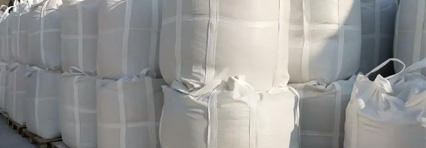
1000kg/ton bag